

Central Asia is home to some of the world’s most unique and resilient wildlife. From the snow-capped mountains to vast deserts and steppes, the region hosts species found nowhere else on Earth. But many of these animals are now endangered — threatened by habitat loss, poaching, and environmental change. Here are just a few of the rare creatures listed in the Red Book, and why their protection matters more than ever.
The Snow Leopard
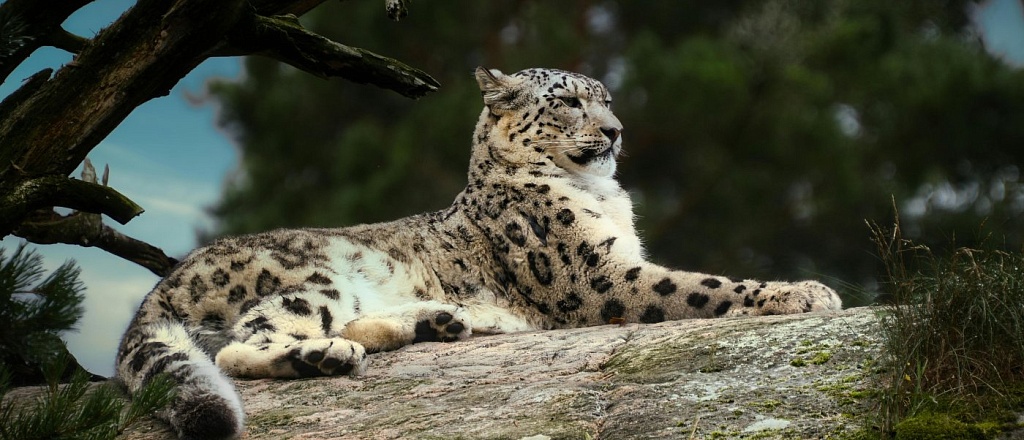
The snow leopard, an iconic symbol of the highlands of Tajikistan, Kyrgyzstan, and Kazakhstan, is one of Central Asia’s most majestic yet threatened predators. Its population is declining due to habitat loss and illegal hunting. Coveted for its fur and bones, the snow leopard remains a prime target on the black market. In response, countries across the region have created cross-border protected areas, set up camera traps for monitoring, and engaged local communities in efforts to conserve these elusive cats.
The Saiga
The saiga antelope, a relic of the Ice Age, still roams the steppes of Kazakhstan and Uzbekistan — but its survival is far from certain. Massive poaching for its horns, which are used in traditional medicine, combined with devastating disease outbreaks, have repeatedly brought populations to the brink. Kazakhstan is taking serious steps to restore the species: expanding nature reserves, tightening hunting regulations, and conducting scientific research to help prevent future epidemics.
Przewalski’s Horse
Once declared extinct in the wild, Przewalski’s horse has made a remarkable comeback on the Kazakh steppe. Through international reintroduction programs, captive-bred individuals have been released into protected areas, where they are now carefully monitored. These hardy animals — the last truly wild horses on the planet — are slowly reclaiming their place in the region’s ecosystems.
The Sand Cat
Tiny, elusive, and tough, the sand cat prowls the deserts of Uzbekistan, Kazakhstan, and Turkmenistan. This rarely seen feline faces threats from habitat destruction, shrinking prey populations, and poaching. Still, there's hope. Conservation initiatives and new protected areas — including Uzbekistan’s Ustyurt Reserve — are beginning to show results. Since 2017, camera traps have captured increasing numbers of sand cats. Restrictions on human activity and international conservation programs have also helped stabilize the population.
The Turkmen Kulan
The Turkmen kulan, a rare subspecies of wild ass, is protected in reserves across Turkmenistan. Habitat conservation and relocation efforts have led to significant population growth. In the Badkhyz Reserve, the number of kulans rose from 650 to over 1000 in the past decade. In 2021, a portion of the population was successfully relocated to new areas to help establish additional stable groups.
From the steppes to the mountains, the survival of these animals depends on continued conservation and cross-border cooperation. Protecting them means preserving not only Central Asia’s biodiversity — but also its natural heritage for future generations.