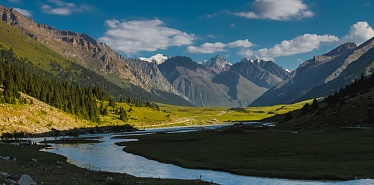
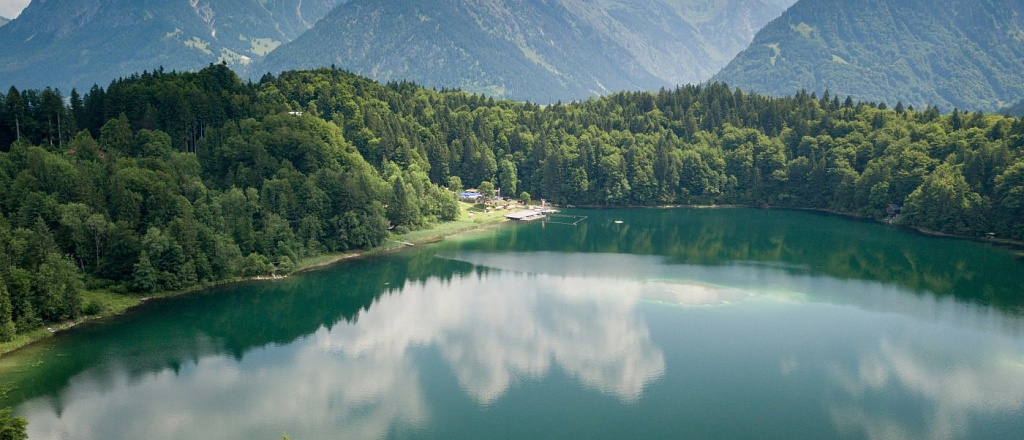

About 75 kilometers from Dushanbe — just an hour and a half drive — the landscape begins to shift dramatically. Flat plains give way to mountain gorges, red cliffs tighten around the road, and soon a stretch of turquoise water appears on the horizon. Nurek is a city built around one of Central Asia’s largest hydropower stations, and one of the few places in Tajikistan where industrial scale and natural beauty amplify each other.
The Road: Tunnels, Serpentines, and Roadside Markets
The route to Nurek follows the Dushanbe — Kulyab highway. The road is in good condition: smooth asphalt, wide lanes, and minimal heavy traffic. Of the two tunnels along the way, the longest is the "Khatlon Tunnel", opened in 2013. The second, "Ozodi Tunnel", is shorter, but its viewpoint above the exit offers a striking panorama of the valley and winding road — worth a brief stop.
Along the route, especially near Vahdat, small roadside markets appear selling dried fruit, mountain herbs, and local kurt — salted balls made from dried fermented dairy.
The stele at the entrance to the city is a popular photo spot. Every tourist captures the entrance to Nurek.
Nurek Hydroelectric Dam: The Second-Highest Embankment Dam in the World
Nurek Dam rises 300 meters high. For comparison, it matches the original height of the Eiffel Tower. Until 2013, it held the Guinness World Record as the tallest embankment dam in the world. It is now second after China’s Jinping-I with 305 meters. The scale, however, remains immense.
The hydroelectric station is an active strategic facility. Construction began in 1961, and the first generator was launched in 1972. Today it produces more than half of Tajikistan’s electricity. An impressive engineering detail: 42 kilometers of tunnels were built inside the mountain — more complex than many metro systems.
The viewing platform is open to visitors. It offers views of the spillway and dam crest. During water release periods, the spillway turns into a powerful artificial waterfall — a sight worth checking in advance. Close-up photography of the facility is prohibited, but panoramic shots from the platform are allowed.
The Reservoir: 70 Kilometers of Turquoise Water
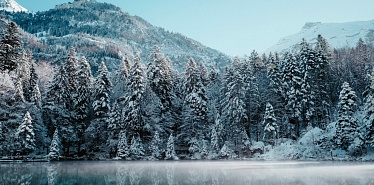
Nurek Reservoir stretches for about 70 kilometers and covers 98 square kilometers. Locals often call it the "Tajik Sea". Its turquoise color comes from the mineral composition of the Vakhsh River basin. On calm days, clouds and mountain ridges reflect clearly on its surface.
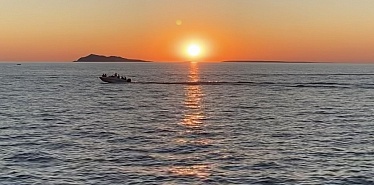
The main pier is located on the edge of the city. From here, sightseeing boats operate, with rentals ranging from 300 to 600 somoni per hour. A boat ride allows you to move away from the shore and take in the scale of the reservoir — from the water, the dam appears even more impressive.
Aqua Houses: A Night on the Water, @aquaclubtj
A unique way to experience the reservoir is through floating homes known as aqua houses. These are fully equipped floating residences with kitchens, bedrooms, and open decks with diving platforms. Visitors can come for the day or stay overnight.
Practical Information
How to Get There
It takes about an hour and a half to get from Dushanbe by taxi or car. Minibuses from Dushanbe bus station to Nurek run several times a day — prices should be confirmed directly with drivers.
When to Go
The best time to visit is April to October. Summers in Dushanbe are hot, while Nurek offers noticeably cooler air near the water. Spring and autumn bring softer light and fewer visitors.
What to Bring
Modest clothing with covered shoulders for the dam area, comfortable walking shoes, cash, and a swimsuit if you plan to visit the aqua houses or take a boat trip.