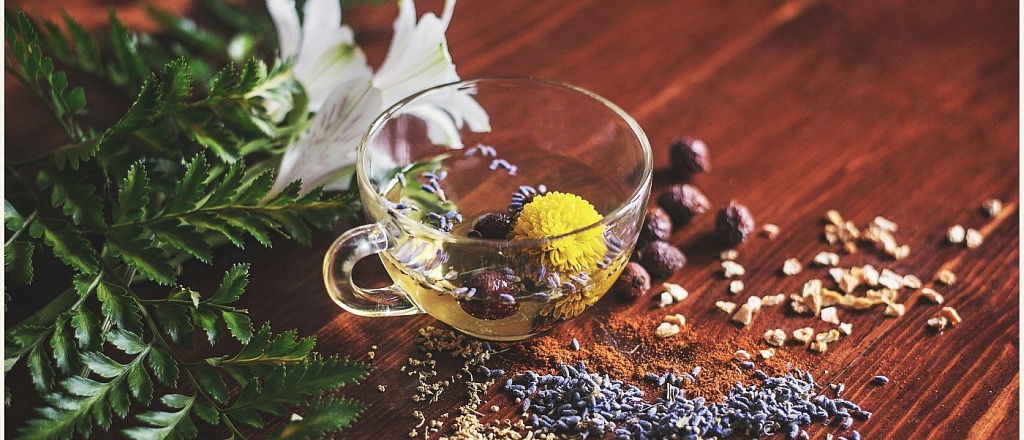

Tea in Central Asia is more than just a drink; it is a symbol of hospitality and cultural heritage. From Uzbekistan to neighboring regions, tea traditions reflect the richness of history and local customs.
Tea as a cultural symbol
In Central Asian countries, tea holds a central place in daily life. It accompanies both the start of the day and the end of a meal, serving as an occasion for meetings and conversations. This is especially evident in Uzbekistan, where tea drinking has become an essential part of culture and a symbol of hospitality.
Green and Black Tea: regional preferences
Green tea, known as kuk-choy, is the most popular choice in many regions of Uzbekistan and neighboring countries. It is valued for its ability to quench thirst and promote digestion. In Tashkent, however, black tea, called kora-choy, is preferred and enjoyed without any additives to savor its pure taste.
Rituals and tea etiquette
Tea drinking in Central Asia is accompanied by special rituals that highlight respect for guests:
Kaytarma. Before serving, tea is poured three times from the cup back into the teapot. This enhances the flavor of the drink and symbolizes the purity of relationships.
Amount of tea in the cup. Pouring a full cup is considered a sign that the host does not wish to frequently serve the guest. The less tea in the cup, the more welcome the guest is.
Serving tea. When offering a cup of tea, it is customary to place the right hand over the heart as a gesture of sincere respect for the guest.
Tea Houses — chaykhanas
Chaykhanas are an essential part of the cultural landscape of Central Asia. These are places where men gather to discuss news, play backgammon or chess, and enjoy a cup of tea. Chaykhanas symbolize the spirit of community and friendship.
Tea in different seasons
Interestingly, in Central Asia, tea is enjoyed hot in both summer and winter. In summer, hot tea promotes sweating, which helps the body cool down, while in winter, it provides warmth and improves circulation.
The tea traditions of Central Asia reflect the region's rich history and culture. They demonstrate deep respect for guests and the value of social interaction, making every tea gathering a special ritual that brings people together.