



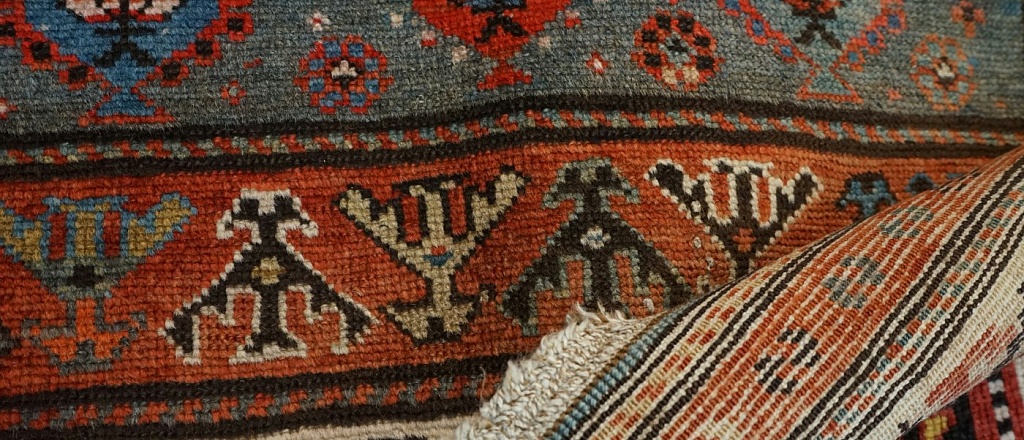

Turkmenistan is a country with deep artisanal traditions, where almost every object carries cultural meaning. Carpet motifs, silver jewelry, and traditional silk are not museum pieces here but part of everyday life. Here's a guide to the essentials: from classic handicrafts to contemporary brands reinterpreting Turkmen heritage.
Keteni
Keteni, Turkmen silk, is woven on a traditional loom called a "tara", which is only 30-40 centimeters wide. Historically, this width determined the cut of the national dress. The weaving technique has remained largely unchanged for centuries: the craftswoman literally sits inside the loom, stretching multicolored silk threads in front of her.
The sheen and iridescence of keteni come from the silk fiber itself. Its triangular cross-section refracts light like a prism. Keteni is used to make traditional dresses, blouses, scarves, and bags. Visitors can purchase either finished products or fabric by the meter.
Traditional Clothing in a Contemporary Interpretation: Genlik,
@genlik_shveynaya_lavka
Those looking to bring home clothing but not necessarily a traditional full-length dress may want to consider Genlik. The brand offers suits, shirts, and accessories inspired by national styles, featuring traditional embroidery and motifs incorporated into contemporary silhouettes. Hand-embroidered wool garments are also available.
Bags and Accessories with Turkmen Ornamentation: Dowamat,
@dowamat.tm
Dowamat is a workshop producing bags and accessories inspired by Turkmen ornamental traditions. Rather than simply reproducing traditional patterns, the brand reinterprets them through a contemporary design approach. It is a good option for those interested in design rooted in cultural heritage.
Däp — Turkmen Streetwear,
@dap_tm /
dap.tm
Founded in 2018, Däp quickly became a recognizable name in Turkmen fashion. Its collections include T-shirts, shorts, and bags featuring references to Turkmen culture in a contemporary format. Product names reflect local traditions: examples include the "Torba" bag and the "Chilikin" skirt. The brand participates in international exhibitions, organizes festivals, and also develops a children's line.
Silver Jewelry: Jajek and Miras,
@jajek.project /
@miras.jewellery1
Historically, Turkmen jewelry was large and predominantly made of silver. According to Islamic tradition, silver was often preferred to gold, and the choice of metal was not accidental. Silver was believed to possess protective and healing properties. The principal gemstone was hakyk, or carnelian, a symbol of abundance, health, and protection. Jewelry could indicate a woman's tribal affiliation and social status. From birth, children often wore silver bells and protective silver ornaments sewn onto their clothing.
Today, several Ashgabat-based brands continue this tradition in contemporary forms. Jajek creates silver jewelry that combines traditional techniques with modern design. Miras places greater emphasis on symbolism, with pieces that reference carpet ornamentation, where each element carries meaning.
Turkmen Carpets
The carpet is the country's most recognizable cultural symbol. Turkmen carpets are handwoven from wool, cotton, or silk. Every ornament carries meaning and is associated with a particular tribe or clan. The central design element is the "göl", a repeating octagonal medallion. Each major tribe — including the Salyr, Tekke, Yomut, Ersari, and Chovdur — has its own distinctive göl pattern. These five tribal motifs are represented on the national flag of Turkmenistan.
Carpets are considered a national treasure, so visitors planning to purchase one should prepare for export procedures in advance. If a carpet is purchased from a state-owned store, it comes with a certificate of authenticity that satisfies customs requirements. Carpets bought at the "Tolkuchka" bazaar require an expert assessment at the Carpet Museum in Ashgabat before export. Antique carpets more than 50 years old cannot be exported.
For travelers whose budget or luggage space does not allow for a full-size carpet, a good alternative is a koshma, a felt mat made from natural sheep's wool dyed with natural pigments. It is practical, visually distinctive, and much easier to transport.
Paintings by Turkmen Artists
Ashgabat is home to galleries exhibiting the work of Turkmen artists. Alongside classical works, visitors can find contemporary and unexpected pieces. Many galleries employ art specialists who can explain the background of local artists and the country's contemporary art scene. Purchasing a work of art can be a way to bring home not only an object, but also a deeper understanding of Turkmenistan's culture and artistic traditions.